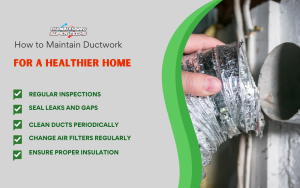

Ductwork is crucial to the success of your HVAC system by distributing air throughout your home or building. When maintained properly, it ensures that your heating and cooling systems operate efficiently, that indoor air quality remains high, and that energy costs are controlled. Neglected ductwork, on the other hand, can lead to reduced airflow, higher utility bills, and potential health concerns due to poor air quality. Routine maintenance not only extends the life of your HVAC system but also ensures your space remains comfortable year-round. The good news is that maintaining ductwork with help from Chambersburg Super Techs doesn’t have to be complicated—it just requires consistency and attention to a few key areas.
Regular Inspections
Identifying Visible Damage
One of the most important steps in ductwork maintenance is regular visual inspection. By checking ducts for signs of physical damage, such as dents, tears, or disconnections, you can catch issues early before they impact system performance. These inspections are especially important in exposed areas like basements, attics, or utility closets where ductwork may be more vulnerable. Damaged sections can allow air to leak out, leading to inefficient airflow and inconsistent indoor temperatures. Regular checks ensure your HVAC system operates smoothly and safely without unexpected interruptions.
Checking for Air Leaks
During an inspection, it’s important to pay attention to airflow inconsistencies or drafty spots, which may indicate air leakage. These leaks can compromise heating and cooling efficiency, forcing your system to work harder than necessary. Even small gaps can cause significant energy loss, progressively causing higher operational costs and needless wear of equipment. Identifying leaks early gives you the opportunity to address them before they become costly problems. A smoke pencil or infrared camera can help locate harder-to-see leaks during more in-depth evaluations.
Assessing Structural Integrity
Besides leaks and damage, regular inspections should include checking the structural integrity of your ductwork. Loose supports, sagging ducts, or shifting connections can lead to long-term inefficiencies and even system failure. Making sure all parts are properly secured helps prevent future damage and supports consistent airflow. If you notice areas that are beginning to weaken, addressing them proactively can save on repair costs later. Inspecting ducts at least once or twice a year is a simple but effective habit for long-term performance.
Seal Leaks and Gaps
Preventing Air Loss
Air leaks are one of the most common and avoidable problems in ductwork systems. When conditioned air escapes, airflow is reduced to its intended location, which increases the workload on your HVAC system. Sealing these gaps helps your system maintain the desired temperature more efficiently, saving energy and money. It also helps reduce uneven heating or cooling across rooms. A properly sealed system keeps air where it belongs—inside your living or working spaces.
Using the Right Materials
When sealing ductwork, it’s essential to use professional-grade commercial-grade options such as mastic compound or aluminum duct tape. Traditional duct tape is not suitable for long-term use, as it tends to degrade over time. Applying the correct materials ensures a lasting and effective seal that won’t deteriorate under heat or moisture. Taking the time to seal ducts properly can greatly improve your system’s efficiency. A well-sealed system translates into fewer maintenance issues and a longer HVAC lifespan.
Rechecking Sealed Areas
After sealing, it’s important to revisit those areas during future inspections to ensure the integrity of the seal. Environmental factors, temperature changes, or physical disturbances can weaken seals over time. If you notice any new gaps or areas where the sealant has worn off, it’s a good idea to reapply and reinforce. This ongoing attention ensures your ductwork remains in peak condition throughout the year. A proactive approach helps eliminate avoidable energy waste and supports optimal HVAC performance.
Clean Ducts Periodically
Improving Airflow Efficiency
Over time, dust, debris, and allergens can accumulate inside your ductwork. This buildup not only restricts airflow but can also force your HVAC system to work harder to maintain comfortable temperatures. Periodic cleaning ensures that air can move freely, reducing strain on your equipment and enhancing overall system efficiency. Clean ducts contribute to better performance and lower energy bills. A clean system is a more reliable system.
Enhancing Indoor Air Quality
Duct cleaning doesn’t just benefit the HVAC system—it is essential in supporting healthier indoor air conditions. Pollutants, mold spores, pet dander, and other airborne particles can circulate through dirty ducts, negatively affecting health. Regular duct cleaning reduces these contaminants and promotes a healthier indoor environment. This is especially important for those with allergies, asthma, or other respiratory conditions. Clean ducts make for cleaner air and greater peace of mind.
Scheduling Professional Cleaning
While light cleaning around vents can be done yourself, a full duct cleaning should be performed by certified professionals. They have the tools and expertise to access deep within the system and remove built-up contaminants effectively. Experts can also identify potential problems you might miss, such as mold or insect infestations. It’s typically recommended to clean ducts every three to five years, depending on usage and environmental factors. Scheduled cleanings support uninterrupted system function and helps detect issues early.
Change Air Filters Regularly
Maintaining Proper Airflow
Air filters play a critical role in your HVAC system by trapping dust, allergens, and debris before they enter the ductwork. When filters become clogged, airflow is restricted, which can overburden the system and reduce efficiency. Changing filters regularly ensures that air can pass through freely, allowing your ductwork to perform optimally. A clean filter helps maintain consistent temperature and air quality throughout the building. Regular changes are a simple but essential part of ductwork upkeep.
Reducing System Strain
Dirty or clogged filters force your HVAC unit to run less efficiently, raising the likelihood of overheating, reduced lifespan, or even system failure. Frequent filter replacement reduces this strain and supports long-term performance. It lowers the chances of incurring high repair costs or downtime. By preventing unnecessary stress on your HVAC system, you ensure that your ductwork operates at peak efficiency. This small maintenance task can lead to significant long-term savings.
Choosing the Right Filters
Not all air filters are created equal, so choosing the right type for your system is important. Filters are rated by MERV (Minimum Efficiency Reporting Value), which measures their ability to capture particles. Higher MERV ratings offer better filtration but may restrict airflow if your system isn’t designed for them. Follow the specifications provided by the manufacturer or consult with a professional if you’re unsure. Using the appropriate filters enhances performance without compromising airflow.
Ensure Proper Insulation
Protecting Against Energy Loss
Uninsulated or poorly insulated ducts, especially in unconditioned spaces like attics, basements, or crawlspaces, can lead to significant energy loss. Insulation helps maintain the temperature of the air as it travels through the system, reducing the burden on your HVAC unit. Proper insulation ensures that warm or cool air reaches its destination without unnecessary loss. This improves energy efficiency and system effectiveness. It also helps reduce energy bills year-round.
Enhancing System Performance
Insulating your ductwork allows your HVAC system to deliver consistent results without fluctuations caused by temperature exposure. This is particularly valuable in extreme climates where temperature differences between duct interiors and surroundings can be dramatic. With proper insulation, your system can maintain comfort levels more easily and with less effort. Over time, this contributes to better system longevity and user satisfaction. Insulation isn’t just an energy saver—it’s a performance booster.
Preventing Moisture and Mold
Beyond saving energy, insulation also helps prevent condensation on the exterior of ducts. In environments with excessive humidity, this moisture can lead to mold growth, corrosion, or structural damage. Well-installed insulation provides a defense to prevent these issues and protect both your ductwork and indoor air quality. Addressing insulation needs proactively helps avoid long-term maintenance headaches. It’s a small investment that yields major benefits in efficiency and protection.
Conclusion
Maintaining your ductwork is one of the smartest investments you can make in your HVAC system and overall building performance. By conducting regular inspections, sealing leaks, cleaning ducts, replacing filters, and ensuring proper insulation, you protect your system from wear, improve indoor air quality, and reduce energy costs. These simple steps help ensure that your HVAC system delivers peak performance, stability, and safety throughout the year. Ductwork is often out of sight, but it should never be out of mind. A proactive maintenance routine can save money, prevent complications, and help establish a more conducive living or working atmosphere.
Start taking better care of your ductwork and call Chambersburg Super Techs today—your air quality, energy bill, and HVAC system will thank you.