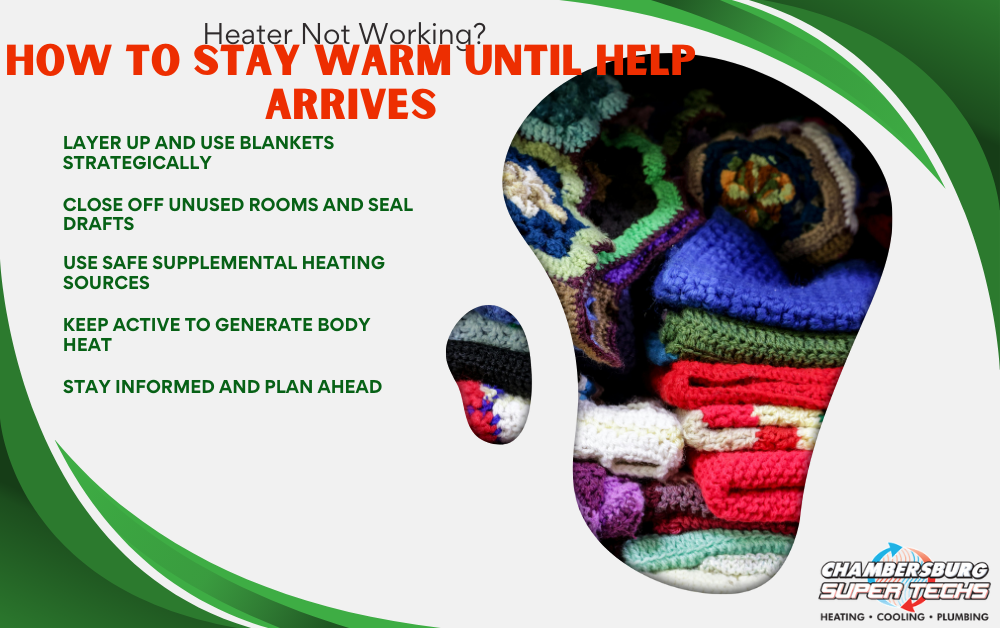
A heater malfunction during freezing winter temperatures can quickly turn a comfortable home into a cold, unsafe environment. Chambersburg Super Techs understands how stressful this situation can be for homeowners, and knowing what to do while waiting for professional help is critical. Taking immediate steps to maintain warmth and safety can reduce discomfort and prevent emergencies. Even temporary measures can significantly improve comfort until the heater is repaired. Preparing in advance ensures your household is equipped to handle cold temperatures safely. This guide provides practical strategies to stay warm and manage the situation effectively.
Layer Up and Use Blankets Strategically
Prioritize Personal Warmth
When your heater is not working, personal warmth becomes your first line of defense. Wearing multiple layers of clothing, including thermal or fleece garments, traps body heat and maintains core temperature. Using blankets while sitting, sleeping, or resting further increases insulation against cold air. Focusing on extremities such as hands, feet, and head is especially important because these areas lose heat the fastest. Proper layering can make a noticeable difference in comfort while waiting for professional assistance. By strategically combining clothing and blankets, homeowners can mitigate the immediate impact of a non-functioning heater.
Optimize Heat Retention While Resting
Blankets are not just for sleep; they are useful throughout daily activities. Wrapping yourself while reading, watching TV, or performing light indoor tasks helps keep body heat trapped. Combining different materials, such as fleece over a quilt, maximizes insulation. This approach helps maintain warmth even if the room itself remains cold. Applying these strategies consistently improves overall comfort during a heater outage. Layering and blankets give you control over personal warmth until repairs are complete.
Reduce the Impact of a Cold Home
Taking proactive steps to preserve warmth reduces stress and discomfort. It ensures that, even in cold conditions, residents can continue their daily routines safely. The combination of layered clothing and blankets protects against sudden temperature drops. This solution is simple to apply and exceptionally effective in maintaining comfort. While it is not a permanent solution, it significantly improves the experience while waiting for a technician. Layering should always be the first action when a heater is not working.
Close Off Unused Rooms and Seal Drafts
Limit Heated Space
Minimizing the space that needs heating boosts the retention of warmth in the areas you occupy. Closing doors to unused rooms concentrates the available heat in living spaces. This prevents unnecessary energy loss and keeps the rooms you use most comfortable. Drafts around windows or doors can let cold air in and counteract any temporary warmth. Using towels, draft stoppers, or even taping plastic sheeting over gaps creates a temporary seal. These measures help maintain a stable temperature while waiting for professional service.
Seal Gaps and Reduce Airflow
Sealing drafts is particularly important in older homes or spaces with poor insulation. Gaps in windows or doors allow heat to escape, making it difficult to maintain comfort. Blocking these drafts reduces infiltration of cold air and improves the effectiveness of supplemental heating. Even temporary solutions can make a noticeable difference in indoor temperatures. Focusing on heat retention ensures that the space you occupy remains livable. Proper sealing complements other strategies, such as layering and safe supplemental heating.
Maintain Steady Indoor Temperatures
Targeting heat retention in occupied areas improves overall system management during a heater outage. It limits the strain on portable heaters and other temporary sources. Focusing warmth in key areas reduces the risk of cold-related discomfort or hypothermia in vulnerable residents. It also creates a more comfortable environment for children, elderly adults, and pets. Proactively applying these strategies helps ensure a safer, warmer home. Effective heat management makes waiting for professional repair much more bearable.
Use Safe Supplemental Heating Sources
Temporary Heating Solutions
Portable electric heaters or kerosene heaters provide temporary warmth when a heater is not working. These devices can maintain comfortable temperatures in occupied spaces, but safety is paramount. Heaters should be placed on stable surfaces, away from flammable materials, and never left unattended. Following the manufacturer’s instructions ensures safe operation and helps prevent accidents. Fireplaces can also serve as a supplemental heat source if properly ventilated. Supervision is essential when children or pets are present to avoid hazards.
Fireplaces and Ventilation
Using supplemental heating effectively requires planning and attention. Electric heaters provide consistent warmth but require careful placement. Kerosene or propane heaters can be effective but must be used with proper ventilation. Fireplaces generate heat while enhancing ambiance, but they require monitoring to prevent smoke or carbon monoxide buildup. Combining multiple safe heating methods can optimize comfort until your heater is repaired. Safety always takes precedence over convenience during temporary heating.
Safety First
Temporary heating sources are most effective when paired with other strategies. Layering clothing, using blankets, and sealing drafts all improve the efficiency of supplemental devices. This integrated approach ensures consistent warmth and reduces overall stress. It also minimizes energy waste and protects your home from potential hazards. Temporary heating is a solution, not a replacement, for a properly functioning furnace. Using these methods responsibly ensures comfort and safety while waiting for expert service.
Keep Active to Generate Body Heat
Physical Movement Raises Temperature
Physical movement naturally raises body temperature, which is essential when your heater is not working. Light indoor exercises, such as stretching, walking in place, or household chores, help maintain circulation and warmth. Avoid prolonged periods of inactivity, as sedentary behavior can increase the risk of cold-related discomfort. Combining physical activity with layered clothing and blankets maximizes personal heat retention. This strategy is particularly important for households with children, elderly residents, or anyone sensitive to cold. Staying active helps your body generate heat naturally, reducing reliance on temporary heating devices.
Avoid Sedentary Periods
Movement also improves overall comfort and helps prevent stiffness or chills. Even simple activities like tidying rooms or moving between spaces can keep the body warm. Consistent light activity helps maintain core temperature throughout the day. Activity works best when combined with other measures, such as sealing drafts and closing off unused rooms. This holistic approach provides multiple layers of defense against cold indoor conditions. Maintaining mobility is a practical and effective way to stay warm until your heater is repaired.
Core Temperature Maintenance
Encouraging household members to remain active improves overall safety. It prevents prolonged exposure to cold surfaces or low temperatures. Light physical activity also supports circulation, which is critical in maintaining extremity warmth. Even quick stretches or movements throughout the day can significantly improve comfort. This solution provides safety and results, and requires no special equipment. Activity, combined with other winter strategies, ensures warmth and resilience during a heater outage.
Stay Informed and Plan Ahead
Communication with HVAC Professionals
Monitoring updates from your HVAC provider is crucial when your heater is not working. Knowing when technicians will arrive allows you to plan indoor activities around the warmest spaces. Keeping phones and devices charged ensures that you can maintain communication with service providers. Planning meals and hot beverages can help maintain body heat and provide comfort. For vulnerable residents, temporary relocation to a heated space may be necessary. Being proactive reduces stress and ensures safety until professional repairs are completed.
Prepare for Immediate Needs
Preparation also involves assessing available heating sources. Identifying areas with supplemental heat or using multiple safe devices can create reliable warmth. Planning movement, meals, and activities around these spaces optimizes comfort. Being informed about service schedules reduces unnecessary anxiety and enables better coordination of household routines. This proactive approach ensures that the temporary inconvenience of a heater outage is manageable. Proper planning enhances both comfort and safety during the waiting period.
Temporary Relocation if Needed
Remaining prepared minimizes risk and ensures continuity of daily life. Tracking updates, preparing warm clothing and blankets, and coordinating supplemental heating all help maintain a livable environment. Homeowners can use this time to implement layered strategies to improve cold-resilience. Preparation also allows families to respond quickly to changing temperatures or unexpected service delays. Effective planning reduces the impact of a heater malfunction and keeps everyone comfortable. Being organized and informed is key to navigating a heater outage safely.
Conclusion
A heater not working can be uncomfortable and potentially unsafe, but homeowners can take immediate steps to stay warm and safe until professional assistance arrives. Layering clothing, using blankets, closing off unused rooms, sealing drafts, employing safe supplemental heat, staying active, and remaining informed all contribute to comfort and safety. These measures are especially important for households with children, elderly residents, or anyone sensitive to cold.
Chambersburg Super Techs is ready to restore your heating system quickly and reliably. If your heater is not working, contact Chambersburg Super Techs today to schedule a professional inspection and get your home warm again. Acting promptly ensures both comfort and peace of mind during the winter months.